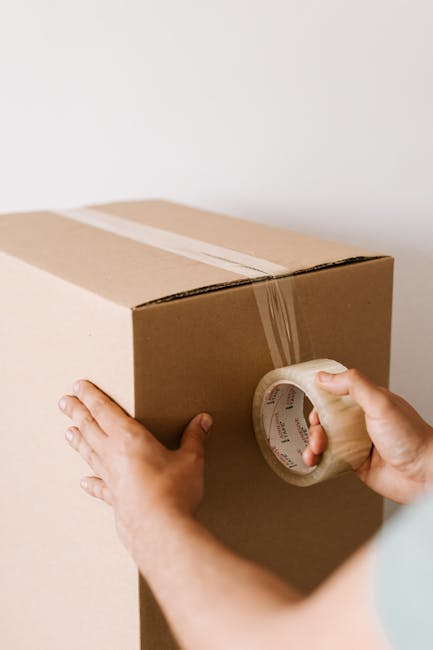
Five common DIY moving mistakes and safer alternatives
DIY moving looks simple on paper: hire a van, gather a few friends, stack the boxes, and get on with it. Then moving day arrives, the sofa won't fit through the hall, someone has hurt their back, and the kettle is packed in the one box you now cannot find. Truth be told, that is the part people underestimate. Five common DIY moving mistakes and safer alternatives can save you time, money, and a fair bit of stress if you know what to watch for before the first box gets taped shut.
This guide breaks down the most common mistakes people make when moving themselves, why they matter, and the safer alternatives that make the day run more smoothly. You will also find a practical step-by-step approach, a realistic comparison of moving options, and a checklist you can use on the day. If you are weighing DIY against help from a removal company or looking at smaller support options like a man and van, this will help you decide with a clear head.
Expert summary: Most DIY moving problems come from underestimating volume, lifting without planning, poor packing, and leaving the time-critical bits until the end. The safer alternative is not always "hire everything out" - often it is better planning, better equipment, and knowing when to bring in targeted help.
Table of Contents
- Why these moving mistakes matter
- How DIY moving usually works
- Key benefits and practical advantages
- Who this is for and when it makes sense
- Step-by-step guidance
- Expert tips for better results
- Common mistakes to avoid
- Tools, resources and recommendations
- Law, compliance, standards, or best practice
- Options and comparison table
- Case study or real-world example
- Practical checklist
- Conclusion
- Frequently asked questions
Why Five common DIY moving mistakes and safer alternatives Matters
Moving house is rarely just about transport. It is a physical job, a timing job, and a logistics job all at once. If one part slips, the whole day starts to wobble. That is why understanding the common mistakes matters so much. You are not only protecting furniture; you are protecting your back, your deposit, your schedule, and your sanity. Sounds dramatic, but anyone who has tried to carry a wardrobe down a narrow stairwell in the rain knows the feeling.
DIY moving often feels cheaper up front. But the hidden costs can creep in quickly: damaged items, extra van trips, missed parking windows, a late handover, or even an injury that stops the move dead. In London especially, access can be awkward, streets can be tight, and loading spots are not always where you want them to be. Even a short move can become a bit of a puzzle if the route, the lift, and the keys all depend on perfect timing.
The safer alternatives are not complicated. They usually come down to making fewer assumptions. Measure more, lift less, and plan the route in detail. When a job becomes too large for a couple of people and a rented vehicle, a removal service or a well-chosen moving van can be the sensible middle ground. Not every move needs a full-service team, but nearly every move benefits from some professional thinking.
How Five common DIY moving mistakes and safer alternatives Works
DIY moving works best when you treat it like a project rather than a collection of chores. The process usually follows the same broad pattern: estimate what needs moving, choose a vehicle, pack and label items, protect fragile belongings, load in a sensible order, travel, unload, and then reassemble what matters most. Simple enough. But each of those steps has a place where things often go wrong.
The "mistakes and alternatives" approach is useful because it gives you a decision at each stage. For example, if you are unsure whether a sofa will fit through the hallway, the safer alternative is to measure the doorway and sofa first, rather than hoping for the best on moving day. If lifting a washing machine feels risky, the safer alternative is to use proper handling gear or get experienced help. If your entire plan relies on one small car and several trips, the safer alternative is to compare that effort with a suitable removal truck hire or a van-sized option that reduces repeat journeys.
In practical terms, the whole method is about reducing friction. Less rehandling. Less scrambling. Fewer surprises. That is what makes the safer route safer. You still stay in control, but you are not fighting the process every five minutes.
Key Benefits and Practical Advantages
Getting the moving process right pays off in ways people notice immediately. The most obvious benefit is reduced risk of damage. When fragile boxes are packed properly and heavy furniture is secured, there is simply less chance of things shifting, splitting, or scratching. You also tend to finish faster, which matters more than people expect. A move that drags on all day can leave everyone tired, irritable, and making daft mistakes at the worst possible time.
There is also the physical side. Proper planning cuts down the number of awkward lifts and unnecessary carrying. That helps protect your back, shoulders, and knees. To be fair, nobody wants to spend the first week in a new home hobbling around like they have just done a half-marathon with a mattress.
Other advantages include:
- Better control over the schedule, especially if you are working around keys, lease handover times, or building access.
- Fewer emergency purchases because you pack the right materials in advance.
- Less emotional stress, which sounds soft until you are trying to find your documents or charger at 9 p.m.
- More efficient use of help from friends or family, since everyone knows what they are doing.
There is another overlooked benefit: clearer decision-making. Once you know the most common DIY pitfalls, you stop assuming every move needs brute force. Sometimes a smaller support option, such as man with van, is enough to remove the hardest part of the day without paying for services you do not need.
Who This Is For and When It Makes Sense
This guide is for anyone planning a move and trying to decide whether to do it themselves or get help. It is especially useful if you are moving from a flat, handling stairs, relocating on a budget, or moving with limited time. Students, renters, young families, downsizers, and small businesses all run into the same basic issue: there is more stuff than there is time, and the stuff is often heavier than it looked yesterday.
DIY moving can make sense when:
- You have a small load and straightforward access.
- You are moving locally and can complete the job in one day.
- You already have packing supplies, helpers, and a suitable vehicle.
- Your furniture is manageable without specialist handling.
It makes less sense when:
- You have large appliances, bulky furniture, or fragile items with real value.
- There are stairs, long carries, or restricted parking.
- You are balancing a tight completion window or key handover.
- You do not have enough reliable help to lift safely.
If you are moving a home in a busy area such as London, or you know your building access is awkward, it is worth looking at a more flexible option early. A lot of people wait until the last week. That is usually when the choices narrow and the costs, both financial and emotional, get higher.
Step-by-Step Guidance
1. Estimate the real size of the move
Start with the truth, not the optimistic version. Walk room by room and list the items that need to move. Include awkward items, not just boxes. A bike, a mirror, a plant, the second lamp you forgot you owned - all of it counts. Then think about what will need dismantling. Beds, tables, and wardrobes often take longer than people expect.
If the load starts to feel larger than a standard car or small van can handle, you have already learned something useful. That is the moment to consider a proper removals van or a more organised removal option before you commit to multiple exhausting journeys.
2. Measure access at both properties
Measure door widths, stair turns, lift size, and any tight corners. Also check where parking is actually possible, not where you hope it will be possible. A sofa can be perfectly fine in the lounge and still completely impossible at the top of the stairwell. It happens more than people admit.
When access looks tight, plan the route in advance. Remove doors only if needed and only if you know how they go back properly. That little bit of prep can save an hour of frustration later. Maybe more.
3. Pack by weight and fragility
Heavy items belong in smaller boxes. Light items can go in larger boxes. Fragile items need padding, not just hope. Label boxes clearly on multiple sides, and mark anything that needs to stay upright. Keep screws, plugs, and fittings in sealed bags taped to the relevant furniture. You will thank yourself later, usually at the exact moment you are wondering where the bed bolts went.
4. Choose the right help level
Not every move needs the same level of support. A small flat move might only need a driver and loading help. A larger household move may be better handled by a full team. If you are comparing options, the practical question is not "Can we do it ourselves?" but "What is the safest way to do this well, without wrecking the day?" For some people, that answer is a man and van removals service. For others, it is a full packing-and-moving arrangement.
5. Load in the right order
Load the heaviest items first and keep weight balanced across the vehicle. Secure items so they cannot slide, tip, or crush lighter boxes. Put essentials last so they come out first. That means kettle, toiletries, bedding, phone chargers, basic tools, and key documents should be easy to reach, not buried under three layers of "miscellaneous."
6. Leave a buffer for the unexpected
Even a well-planned move can run late. Traffic, parking, queueing for lifts, or one stubborn chest of drawers can all shift the timeline. Build in margin. A little extra time is not wasted time; it is what stops a manageable delay becoming a full-blown scramble.
Expert Tips for Better Results
One of the biggest lessons from real moving jobs is that preparation beats heroics every time. The people who have the calmest move are usually not the strongest. They are the most organised. The cupboard door that squeaks, the lift that is slow, the last box that was never labelled properly - these are the small things that eat up a day.
Here are some tips that make a real difference:
- Keep a "first night" bag. Put clothes, medication, snacks, chargers, and toiletries in one bag that travels with you.
- Protect floors and corners. Old blankets, cardboard, and corner guards can prevent expensive scuffs.
- Use proper lifting technique. Bend at the knees, keep the load close, and do not twist while carrying.
- Break tasks into roles. One person should guide loading, one should lift, one should check labels. Too many cooks and all that.
- Take photos before dismantling. A quick phone photo of cable setups, shelf positions, or furniture assembly can save a lot of guessing later.
If you are borrowing help from friends, give them a clear job, not a vague promise of "we'll just see how it goes." That usually ends with people standing around holding a mattress while nobody knows where it belongs.
A smaller but useful trick: keep refreshments visible. Tea, water, and a couple of snacks sound trivial until everyone is tired and someone starts making errors because they have had nothing since breakfast. Very British, very effective.
Common Mistakes to Avoid
1. Underestimating how much stuff you actually have
This is probably the number one DIY moving mistake. Rooms accumulate hidden volume. Kitchenware, books, shoes, cables, toys, cleaning products, bulky bedding - it adds up fast. A move that looked "small" can suddenly fill a van and a boot and still leave you carrying lamps in your lap.
Safer alternative: complete a room-by-room inventory and use it to choose the right vehicle and help level before moving day.
2. Using random boxes and weak tape
Supermarket boxes can be useful, but they are not always strong enough for heavy loads. Worn cartons, mixed sizes, and poor tape are a recipe for collapsed bases and crushed items. Nobody wants to watch a box of crockery slowly fail while standing on the pavement in drizzle.
Safer alternative: use sturdy boxes, consistent tape, and a packing method suited to the item. Put weight low and keep each box sensible to lift.
3. Leaving packing until the night before
Late packing creates panic packing, and panic packing creates breakages. It also means you lose track of essentials. There is always that one drawer you think you will do "in a minute," and then it is 11:40 p.m. and you are packing cutlery with a torch.
Safer alternative: start early and pack non-essentials first. Reserve the last 24 hours for items you genuinely still need.
4. Not protecting furniture and fragile items
Scratches, dents, and chips often happen during the loading stage, not on the road. A bit of wrap, blanket protection, and careful stacking goes a long way.
Safer alternative: use padding, straps, and surface protection. If an item is awkward, disassemble it if safe to do so rather than forcing it through a tight gap.
5. Trying to lift too much without proper help
Let's face it, this is where DIY enthusiasm can turn into an injury. Heavy sofas, fridges, wardrobes, and washing machines are not jobs for guesswork. If it feels awkward before you lift it, it will feel worse halfway down the stairs.
Safer alternative: use the right equipment, recruit enough people, or arrange professional lifting support. Sometimes the safe choice is the sensible one, even if it feels slightly less heroic.
Tools, Resources and Recommendations
You do not need a warehouse of gear to move well, but a few tools make a very big difference. The right equipment can reduce lifting strain and prevent damage more effectively than extra pairs of hands alone.
| Item | What it helps with | Why it matters |
|---|---|---|
| Sturdy boxes | Safe packing and stacking | Reduces box failure and crushed contents |
| Packing tape and dispenser | Sealing boxes properly | Fast, consistent closure with less tape waste |
| Bubble wrap or paper | Protecting fragile items | Cushions breakables and fills empty space |
| Furniture blankets | Protecting surfaces | Helps prevent scratches and dents |
| Trolley or sack truck | Moving heavy items | Reduces carrying strain and trips |
| Straps | Securing loads | Keeps furniture and boxes stable in transit |
For many household moves, a combination of packing support and transport support is enough. If you need help with the prep, packing and unpacking services can remove a surprisingly stressful part of the job. If your focus is purely on transport, a suitable vehicle option may be enough. The main point is to match the resource to the problem instead of throwing random effort at it.
Also worth considering: recycling and disposal. Moving often exposes items that should not travel with you. Broken furniture, surplus packaging, and things you no longer need can be dealt with more responsibly if you plan ahead. The tidy-up after a move is a job in itself, honestly.
For people moving in and around the capital, local knowledge matters too. Routes, parking, loading access, and time windows can all affect the day. Services such as removals near me searches are often used by people looking for quick support close to home, but it is worth checking the exact service fit rather than choosing on proximity alone.
Law, Compliance, Standards, or Best Practice
There is no single rulebook for DIY moving, but there are some sensible expectations around safety and responsibility. If you are moving items yourself, you still have a duty to avoid reckless lifting, unsafe stacking, and blocking public access. If a van is parked on a street or in a loading bay, make sure you understand any local restrictions and permissions that apply. In London, this can matter a lot, because space is tight and enforcement can be quicker than people expect.
Best practice also matters if you are asking friends or family to help. If someone is carrying heavy furniture, they should not be put in a position where they are forced to lift beyond what is reasonable for them. That is just common sense, but common sense gets forgotten when everyone is rushing. Use clear paths, stable footing, and proper equipment wherever possible.
For specialist moves involving commercial premises, time pressure, shared building access, and confidentiality can all add complexity. In those cases, checking the provider's insurance, processes, and planning approach is sensible. You may also want to review pages such as insurance and safety and the health and safety policy before deciding how much of the move to handle yourself.
One important note: if you are using a rented vehicle, read the terms carefully. Damage, mileage, fuel, and loading responsibility can all affect the final cost. Not exciting reading, I know. But it is cheaper than a surprise later.
Options, Methods, or Comparison Table
Below is a simple comparison of the main moving approaches people consider when weighing up DIY against getting help.
| Option | Best for | Pros | Trade-offs |
|---|---|---|---|
| Full DIY move | Small loads, simple access, short distances | Most control, potentially lower upfront spend | Highest personal effort and risk of mistakes |
| Man and van | Medium-sized moves, local relocations, light to moderate furniture | Flexible, practical, often quicker than full DIY | May still require packing and organisation from you |
| Full removal service | Larger homes, time-sensitive moves, awkward access | Less lifting, less stress, more structured planning | Higher cost than doing everything yourself |
| Hybrid approach | People who want control with targeted support | Good balance of effort, cost, and safety | Needs good coordination and early booking |
In many real-world moves, the hybrid route is the sweet spot. You handle the small jobs, and a professional team handles the heavy lifting or transport. It is not about doing nothing; it is about doing the hard bits in a safer, smarter way.
Case Study or Real-World Example
Picture a typical two-bedroom flat move on a Saturday morning. The plan starts with three friends, a borrowed van, and a lot of confidence. Then the wardrobe has to turn sharply at the top of the stairs, the parking space is further away than expected, and the sofa refuses to clear the hallway without being angled just right. By midday, everyone is tired and the boxes are still only half loaded.
Now compare that with a more prepared approach. The move is measured a week earlier. Heavy items are identified in advance. The owner books a vehicle large enough for one trip rather than three. The sofa is wrapped, the bed is dismantled, the boxes are labelled by room, and the essentials bag is kept separate. The move still takes effort, of course it does. But it feels manageable instead of chaotic.
That is really the difference these safer alternatives create. They do not remove the work; they remove the avoidable friction. People often think moving stress is just part of the experience. It does not have to be.
Practical Checklist
Use this checklist before moving day. It keeps the important bits in one place and helps you avoid the classic last-minute scramble.
- List every large item, box count estimate, and fragile item.
- Measure doors, stairs, lifts, and tight turns at both properties.
- Check parking, loading access, and any time restrictions.
- Book the right transport or support level early.
- Gather boxes, tape, wrap, blankets, and labels.
- Pack heavy items in small boxes and fragile items with padding.
- Label each box with room name and contents.
- Set aside tools, chargers, documents, medication, and a first-night bag.
- Dismantle furniture only if you can reassemble it confidently.
- Protect floors, walls, and furniture edges.
- Assign clear roles to helpers before the day starts.
- Build in time for delays, lifts, and traffic.
- Keep water and snacks available.
- Do a final sweep of cupboards, lofts, sheds, and under beds.
Quick reminder: if the plan starts to feel too tight, too heavy, or too rushed, that is not a failure. It is a signal to adjust the plan.
Conclusion
DIY moving can work well, but only if the job is realistic and the plan is solid. The five most common mistakes are usually the same ones: underestimating volume, packing badly, lifting without enough support, ignoring access problems, and leaving everything too late. The safer alternatives are not complicated. Measure first, pack properly, use the right gear, and bring in help where it genuinely reduces risk.
That mindset changes the whole move. You stop chasing problems and start preventing them. And that is a much calmer way to arrive at a new home, with your belongings intact and your back still functioning. A good move should leave you tired, yes, but not battered. There is a difference.
If you are deciding between full DIY and professional support, compare the real effort, the risk, and the time you will save. Then choose the option that gives you the smoothest move, not just the cheapest headline number. Get a free quote today and see how much you can save.
Moving day will always have a little chaos in it. The trick is to keep it the useful kind, not the avoidable kind.
Frequently Asked Questions
What are the most common DIY moving mistakes?
The biggest DIY moving mistakes are underestimating how much needs moving, using poor packing materials, failing to measure access, lifting heavy items without enough help, and leaving packing too late. Those five issues cause most of the avoidable stress.
Is DIY moving actually cheaper than hiring help?
Sometimes, yes - but not always. DIY can look cheaper at first, yet costs can rise if you need extra van trips, replacement items, parking fixes, or last-minute help. A smaller support option can sometimes be better value overall.
When should I choose a man and van instead of full DIY?
A man and van makes sense when the job is too big for a car but not quite large enough to justify a full removal team. It is often a good middle ground for local moves, medium loads, and awkward furniture.
How do I know if my furniture will fit through the door?
Measure the widest points of the furniture and compare them with door widths, hallway turns, and stair space. Do not guess. If in doubt, dismantle the item if it is designed to come apart, or get help from someone with experience.
What packing mistake causes the most damage?
Packing heavy and fragile items into weak, overfilled boxes is one of the worst mistakes. Boxes should be strong, sealed properly, and packed by weight so they can be lifted safely and stacked without collapsing.
Should I dismantle all my furniture before moving?
No, not necessarily. Dismantle furniture that is awkward, bulky, or likely to damage doorways. Leave simple pieces alone if they are easier to move intact. The goal is safer handling, not dismantling everything for the sake of it.
How far in advance should I start packing?
Ideally, start several days in advance for non-essential items and earlier for larger moves. The more items you have, the more important it is to spread the work out. Late packing almost always leads to messy packing.
What items should never go in random boxes?
Documents, medication, chargers, keys, valuable electronics, and anything you need on the first night should be kept separate. Those things should travel with you, not disappear into the general box pile.
Are there safety rules I should think about when moving on my own?
Yes. You should use safe lifting methods, avoid overloading boxes, keep pathways clear, and make sure helpers are not asked to do jobs beyond their ability. If you are using a vehicle on public roads or in shared spaces, follow the relevant access and parking rules.
What is the safest way to move heavy items?
Use the right lifting equipment, get enough helpers, and keep the weight balanced. If an item is too awkward or too heavy for safe manual handling, it is usually better to use professional support rather than forcing it.
Can I mix DIY moving with professional services?
Absolutely. That is often the smartest approach. Many people pack themselves and hire transport, or handle lighter items while professionals move the heavy or difficult ones. A hybrid move can save both time and stress.
What should I check before booking a moving van?
Check the size of the vehicle, access at both properties, parking options, loading time, insurance, and any restrictions in your street or building. It is also worth checking whether you need help with loading, not just transport.
How do I keep moving day less stressful?
Plan the route, label boxes clearly, prepare a first-night bag, keep drinks and snacks available, and leave a little extra time in the schedule. Small details matter more than people think, especially when everyone is tired.
Is it worth paying for packing help?
If you have a lot of fragile items, a tight deadline, or simply do not want to spend days packing, yes, it can be worth it. Packing help often reduces breakages and makes unpacking quicker, which is useful if you need to settle in fast.