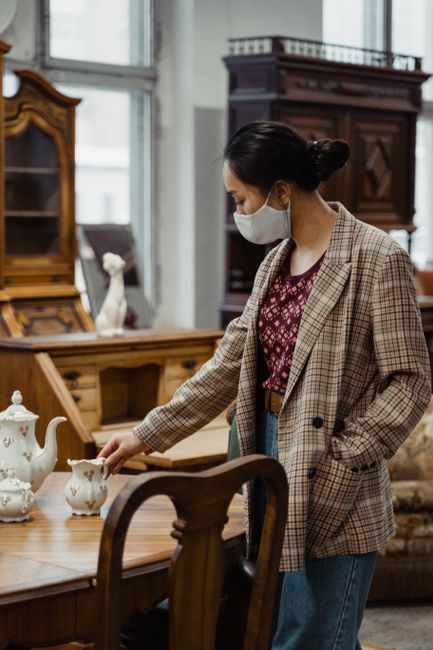
How to protect antique furniture with professional UK removal teams
If you're moving a piece with a bit of history, you already know it's not the same as shifting a flat-pack bookcase. Antique furniture can be fragile in places you can't even see: old glue lines, dry timber, hand-cut joints, delicate veneers, brass fittings, tired upholstery. One wrong lift and the damage can be instant, expensive, and honestly rather heartbreaking. This guide explains how to protect antique furniture with professional UK removal teams, what to expect from the process, and how to make sensible decisions before moving day arrives.
Whether you're relocating a single heirloom sideboard or a whole house full of period pieces, the goal is simple: reduce risk without overcomplicating the move. Let's be fair, antique furniture does not need drama. It needs planning, the right materials, and a team that knows how to handle older items with care.
Table of Contents
- Why How to protect antique furniture with professional UK removal teams Matters
- How How to protect antique furniture with professional UK removal teams Works
- Key Benefits and Practical Advantages
- Who This Is For and When It Makes Sense
- Step-by-Step Guidance
- Expert Tips for Better Results
- Common Mistakes to Avoid
- Tools, Resources and Recommendations
- Law, Compliance, Standards, or Best Practice
- Options, Methods, or Comparison Table
- Case Study or Real-World Example
- Practical Checklist
- Conclusion
- Frequently Asked Questions
Why How to protect antique furniture with professional UK removal teams Matters
Antique furniture is often more vulnerable than it looks. A Victorian mahogany table may seem sturdy, but age changes the material. Timber dries out, joints loosen, veneers lift, and decorative elements become less forgiving. Even a clean-looking piece can have hidden weakness where stress concentrates during lifting or transit.
That is why moving antiques is less about brute force and more about judgement. Professional UK removal teams bring that judgement in the form of experience, suitable equipment, and a calmer pace. They know when to dismantle, when to wrap, when to lift with three people instead of two, and when to stop and reassess rather than "just trying it". The last part matters more than people think.
It also matters because antiques are rarely replaceable in any straightforward way. A scratch on a modern chair is annoying. A chipped original veneer on a family chest of drawers can feel much heavier emotionally. And if you're moving in London, with narrow stairs, tight parking, and awkward access, the risk climbs quickly. Professional help gives you a better chance of avoiding that awful moment where a wobble on the landing turns into a crack you can hear.
There's a practical side too. A good removal team can save time, reduce physical strain, and lower the chance of damage to your walls, floors, and door frames. In many moves, the antique itself is only part of the story. The route out of the property is often the real problem.
How How to protect antique furniture with professional UK removal teams Works
The process usually starts long before the van arrives. A careful removal company will ask what the item is made from, how old it is, whether it has loose joints, and whether it has already been restored. They may also ask for photos. That's not fuss for the sake of it; it helps them decide what packing, wrapping, and lifting method makes sense.
In practice, protection works in layers. First comes assessment. Then preparation. Then packing. Then movement. Then loading and securing in the vehicle. Finally, careful unloading and placement at the new address. Each stage is a chance to avoid stress on the piece.
Typical professional steps include:
- checking for fragile features such as carved legs, mirrors, glass insets, handles, or marquetry
- removing loose shelves, drawers, keys, detachable feet, or ornaments where appropriate
- using soft wraps, padded blankets, acid-free paper, corner guards, and tie-downs
- keeping items upright when needed and avoiding pressure on weak points
- loading antiques away from heavy general furniture so they are not crushed or shifted in transit
A solid team will also plan the route through the property. That means measuring awkward doorways, checking stair width, and deciding whether extra hands or specialist trolleys are needed. It sounds boring. It is boring. But boring is exactly what you want on moving day.
There's another piece to the process: communication. You should tell the team what matters most to you. Maybe it's a grandfather clock cabinet, a Georgian writing desk, or a dining table that has been in the family for generations. The best teams take that seriously and adjust their handling accordingly.
Key Benefits and Practical Advantages
Protecting antiques properly is not just about preventing visible damage. It also helps preserve the long-term integrity and value of the furniture. A tiny knock can weaken a joint. A bad wrap can trap moisture. An over-tight strap can leave a mark that only appears when the piece is unpacked in bright daylight. Annoying, isn't it?
Here are the main benefits of using professional UK removal teams for antique furniture:
- Reduced risk of structural damage - careful lifting and correct support lower the chance of broken joints and split timber.
- Better surface protection - quality wrapping protects finishes, varnish, veneer, and detailing from scuffs and abrasion.
- More suitable handling - experienced movers understand how to deal with fragile, heavy, awkward, or top-heavy pieces.
- Safer access management - stairs, lifts, tight hallways, and narrow front doors are assessed before things start going wrong.
- Less emotional stress - truth be told, it's easier to relax when someone else is carrying the worry, not just the item.
There's also a value-preservation angle. If an antique is insured or has sentimental and resale value, the way it is moved can make a real difference to any future appraisal or restoration work. Professional handling keeps options open. Once a surface is gouged or a leg cracked, repair is possible sometimes, but not the same as keeping the original intact.
One quieter benefit: fewer accidents elsewhere in the house. A skilled crew tends to protect banisters, flooring, and paintwork as part of the job. In a period property, that can be a big deal in itself.
Expert summary: Antique furniture is best protected when moving is treated as a controlled process, not a lifting job. The safest moves combine assessment, the right materials, deliberate handling, and a team that understands old furniture can behave unpredictably.
Who This Is For and When It Makes Sense
This approach makes sense for anyone moving antique or antique-style furniture, but especially if the item is old, heavy, oddly shaped, or emotionally important. If a piece has been in your family for years, you probably do not want to leave its safety to a quick guess and a bit of bubble wrap.
It's especially relevant if you are:
- moving from a terraced house, townhouse, flat, or property with narrow access
- relocating within the UK and need long-distance transit support
- handling furniture with glass, mirrors, carvings, inlay, or fine veneer
- moving multiple items from an inherited estate or downsizing home
- working to a deadline and need the process to be orderly rather than improvised
It can also make sense if you're not sure whether something is truly antique or simply old. A removal team does not need to authenticate the piece, but they do need to handle it cautiously. Old timber can fail in a way that new timber usually doesn't. You may look at a cabinet and think "solid enough," and then a worn joint says otherwise once the weight shifts.
For commercial movers, such as interior designers, collectors, landlords, or property managers, the same logic applies. When furniture has age, rarity, or restoration history, the move should be planned as if damage would be difficult to explain later. Because it would be.
Step-by-Step Guidance
1. Identify what needs special care
Start with a room-by-room review. Note which pieces are antique, which are simply old, and which are fragile because of previous repairs. Photograph each item from a few angles. This gives you a record and helps the removal team understand what they are dealing with before they arrive.
Look for loose handles, wobbling legs, lifting veneer, cracked joints, and delicate trim. If the item has a mirror or glass panel, say so early. A good mover would rather know too much than too little.
2. Measure access points
Measure doorways, stair turns, corridors, lifts, and any awkward exterior access. The best removal plan in the world is useless if the item cannot turn the corner at the top of the stairs. If you are in a London property, think about parking distance too. A long carry from van to front door increases handling time and risk.
3. Decide what can be removed or dismantled
Some antiques should stay intact. Others are safer if certain parts are removed first. Drawers, removable shelves, legs, mirrors, and loose ornaments may need to come off. The rule of thumb is simple: remove only what can be removed safely, and label it carefully. A drawer in the wrong place can create pressure where you do not want it.
4. Use the right packing materials
Professional removals teams often rely on padded blankets, furniture covers, foam corner protection, tissue paper, stretch wrap used sparingly, and sturdy boxes for smaller fittings. For antiques, the goal is protection without crushing detail or trapping moisture against the surface.
If a surface is especially delicate, ask about soft wrapping or layered packing rather than direct plastic contact. Antique finishes can react badly if they are wrapped carelessly for too long. That's a small detail, but it's one of those details that saves headaches later.
5. Lift with a plan, not enthusiasm
Before moving, decide who will take the weight, which end leads, and where the rest points are. Never twist while carrying a heavy antique, and avoid tilting a tall piece unless it has been assessed for that movement. Old furniture can respond in a surprising way. One second it looks cooperative, the next it's not. Bit rude, really.
6. Secure items properly in the vehicle
Inside the van, antiques should be positioned so they cannot slide, topple, or rub against heavier furniture. The load should be balanced and immobilised with straps or other suitable restraints. A van corner full of cushions is not enough if a valuable sideboard has to travel there too.
7. Unpack carefully and inspect immediately
Once delivered, inspect the piece before the team leaves if possible. Check for loosened joints, scuffs, vibration damage, or shifted components. A small issue is easier to address straight away than after the item is assembled and you've already moved on with the day.
Expert Tips for Better Results
There are a few practical habits that make a proper difference. They are not flashy, but they work.
- Do not over-wrap antiques in a way that traps heat or moisture. Older wood can be sensitive to condition changes, especially during longer moves.
- Keep hardware in labelled bags. Screws, handles, and keys are tiny until they disappear, and then they become the most important things on earth.
- Tell the movers what restoration work has already been done. Repaired joints, replaced veneers, and modern adhesives can change how an item should be handled.
- Protect the floor route as well as the item. A careful mover will think about the house, not just the furniture.
- Use specialist help for oversized pieces. Grandfather clocks, large bookcases, and display cabinets often need a little more planning than a standard two-person carry.
If you're arranging multiple items, it often helps to prioritise them. Move the most fragile antiques first while everyone is still fresh and the route is clear. By the final hour of a move, people get tired. It happens. Even the best crew is human.
One useful trick is to create a simple "do not stack" list before moving day. Put it on paper or a phone note. If a piece must stay upright, say it. If a drawer must remain locked, say that too. People moving quickly appreciate clear instructions, especially when they're juggling a lot of items and a rather annoying hallway.
Common Mistakes to Avoid
The same errors show up again and again in avoidable antique furniture damage. Most are small judgment calls that snowball into bigger problems.
- Using the wrong wrapping - clingy plastic, rough tape, or poor-quality blankets can damage finish and detailing.
- Dragging instead of lifting - even a short drag across a floor can strain joints and chip feet.
- Ignoring hidden weakness - a piece may look strong but still have tired glue or old repairs.
- Not measuring properly - an item that "should fit" can get stuck on a stair turn or doorway.
- Forgetting loose parts - drawers, glass shelves, and hardware are often the first things to break or go missing.
- Stacking heavy items on top - never assume blankets alone are enough protection.
A subtle mistake is assuming that a professional team automatically knows every nuance of every antique. Good teams know a lot, yes, but the best outcomes still depend on the owner sharing what they know. A wobbly leg that only moves in one direction, a drawer that sticks, a repaired crack on the back panel - these details matter.
Another one: leaving packing until the last minute. Rushing antique preparation usually leads to poor wrapping, rushed decisions, and a bit of panic. Not ideal. Not at all.
Tools, Resources and Recommendations
You do not need a warehouse of equipment to protect antique furniture properly, but the right tools help a great deal. Professional UK removal teams typically use:
- furniture blankets and padded wraps
- corner guards and edge protection
- trolleys or skates for stable transport on suitable surfaces
- straps and load restraints for van security
- labels for parts, fittings, and fragile components
- protective covers for dust and light moisture resistance
If you are preparing the furniture yourself before the team arrives, a few simple resources help:
- a camera or phone for condition photos
- soft cloths for light cleaning, without polishing anything harshly
- small sealable bags for screws and fittings
- paper labels or painter's tape for marking parts
- a notebook with dimensions and access notes
It can also help to speak to the removal company about whether they provide packing and unpacking services as part of the move. If they do, that can be useful for antiques because the team handling the item from start to finish is more likely to keep a consistent method.
For larger or mixed-property moves, you may also find value in looking at professional removal services more broadly, especially if antiques are only one part of a bigger relocation. And if you are moving a single item or a very small load, a more flexible solution such as man and van support may be the practical choice, provided the team is experienced with fragile furniture.
Law, Compliance, Standards, or Best Practice
There is no single antique-moving law that covers every situation, but there are strong UK expectations around care, safety, and fair treatment of goods in transit. In practice, that means a removal company should handle your furniture responsibly, communicate clearly, and work in a way that reduces foreseeable risk.
Good practice usually includes:
- clear terms about liability and service scope
- appropriate insurance arrangements for goods in transit where offered
- safe manual handling practices for staff
- careful vehicle loading and securing
- honest discussion of items that may need special treatment
It is also sensible to check a company's insurance and safety information before booking. That is not overcautious. It is normal due diligence, especially when moving antiques or other high-value pieces.
From a best-practice point of view, documentation helps. Keep a short inventory, note pre-existing marks, and save photos. If a rare piece is particularly valuable, you may want an independent valuation or advice from a specialist conservator before the move. Not every move needs that level of formality, but for high-value items, it can be the sensible route.
There's also a privacy and payment side to booking a company online. If you are sharing personal details or making a deposit, it helps to review the company's payment and security information and its general terms and conditions. Little things, but worth checking. Saves awkwardness later.
Options, Methods, or Comparison Table
There is more than one way to move antique furniture, and the right option depends on the item, the distance, and how much help you want. Here's a practical comparison.
| Method | Best for | Strengths | Limitations |
|---|---|---|---|
| Full professional removal team | Valuable, bulky, or multiple antique items | Best handling, route planning, loading control, and reduced stress | Usually costs more than a basic vehicle-only option |
| Man and van service | One or two manageable antiques with straightforward access | Flexible and often quicker to arrange | May not be ideal for highly fragile or oversized items unless the crew is experienced |
| Self-move with hired van | Very confident movers with low-risk items | Can be cheaper on paper | Highest risk if you lack packing skill, equipment, or lifting help |
| Professional packing plus removal | Items needing careful wrapping and consistent handling | Excellent for fragile surfaces and awkward components | More preparation time and a higher service cost |
For antiques, the safest option is often the one that reduces improvisation. If there's a polished dining table with delicate legs and a mirror-fronted cabinet in the same move, the cheapest option can suddenly look less attractive. Funny how that works.
If your move also includes furniture that is not antique but still bulky, a broader home moving service may suit you better than assembling separate solutions. The key is to match the method to the item, not the other way around.
Case Study or Real-World Example
Picture a fairly typical London move: a family relocating from a first-floor flat with a narrow stairwell and a 19th-century writing bureau that has been in the family for years. The bureau is beautiful but not in perfect condition. The right-side drawer sticks slightly, one leg has a historic repair, and the veneer is thin near the front edge.
Rather than forcing the piece through the stairwell as-is, the removal team measures the landing, removes the drawers, pads the vulnerable corners, and plans a two-person carry with one person guiding the turn below. They also protect the route with floor coverings and keep the bureau upright during loading. In the van, it is secured away from heavier furniture and checked again after the first few miles.
That sort of job sounds simple written down, but it isn't. The difference lies in patience. The team does not rush the turn, and the owner does not insist on "just giving it a nudge". The bureau arrives intact, the drawers are reinserted, and the family can unpack without that horrible moment of finding a chip in the front edge.
What stands out in real moves like this is not one heroic action. It is a sequence of careful decisions. That is how antique furniture survives relocation with its dignity still intact.
Practical Checklist
Use this checklist before the movers arrive. It keeps things calm and saves a lot of last-minute wandering around the house with a tape measure.
- Photograph each antique from multiple angles
- Note any existing scratches, cracks, loose joints, or historic repairs
- Measure doors, stair turns, lifts, and access points
- Tell the removal team about fragile details such as glass, mirrors, inlay, or carved parts
- Remove and label loose items, fittings, and drawers where appropriate
- Confirm what wrapping materials will be used
- Ask how the item will be loaded and restrained in the vehicle
- Check whether the company offers specialist removal company support for delicate household goods
- Review insurance and safety information before booking
- Arrange a clear inspection of the item on delivery
Quick reminder: if the piece feels fragile to the touch, assume it needs more care than it looks like it does. That instinct is usually right.
Conclusion
Protecting antique furniture is really about combining respect for the item with good moving practice. Professional UK removal teams bring experience, equipment, and a calmer method that helps antique pieces travel safely without unnecessary stress. The best results come from preparation, honest communication, the right packing materials, and a team that knows when to slow down.
If you remember just one thing, make it this: antique furniture should be handled as a fragile object with history, not as an awkward item of furniture that happens to be old. That shift in mindset changes the whole move. And it usually saves money, worry, and a fair amount of muttering under your breath.
If you are planning a move with valuable or sentimental pieces, speak to a trusted removal team early, share clear photos, and ask direct questions about handling, access, and protection methods. The right preparation now can spare you a great deal later. And truth be told, it feels much better to arrive with the furniture in one piece.
Get a free quote today and see how much you can save.
Frequently Asked Questions
How do professional UK removal teams protect antique furniture?
They usually start with an assessment, then use suitable wrapping, careful lifting, secure vehicle loading, and controlled unloading. The process is designed to reduce stress on joints, veneers, finishes, and fragile decorative features.
Should I dismantle antique furniture before the move?
Only when it is safe and sensible to do so. Some pieces benefit from removing drawers, shelves, or detachable parts, but over-dismantling can create new risks. A good removals team will advise what should stay intact.
What packing materials are best for antiques?
Padded blankets, soft wraps, corner protection, acid-free paper for delicate surfaces, and secure labels for fittings are commonly used. The best material depends on the finish and fragility of the furniture.
Can antique furniture be moved in a regular van?
Sometimes, yes, but only if the item is small, properly secured, and the crew knows how to handle it. For larger or more valuable antiques, a professional removal service is usually the safer choice.
How far in advance should I book a removal team for antique furniture?
As early as you can, especially if the move involves stairs, tight access, or multiple fragile items. Early booking gives the company time to assess the job properly and plan the right crew and equipment.
Do removal companies offer insurance for antique furniture?
Some do, but cover levels vary, so always check the details. Ask what is included, what exclusions apply, and whether you need to declare especially valuable items separately.
How do I know if my furniture is too fragile to move myself?
If the piece has loose joints, lifting veneer, glass, historical repairs, or awkward size and weight, it is probably not a good DIY candidate. If in doubt, treat it as fragile and get professional help.
What should I tell the movers about my antique furniture?
Tell them the age if known, the type of wood or finish if relevant, any previous repairs, and any weak points. Photos are very helpful too. Small details can change the handling plan a lot.
Can antique furniture be moved in wet weather?
Yes, but it needs extra care during loading and unloading. Good teams will keep routes clear, reduce exposure time, and use appropriate covers so moisture does not affect the finish.
Is it worth paying more for a specialist removal team?
For valuable, sentimental, or difficult-to-handle antiques, often yes. The added planning and protection can be worth far more than the difference in price if it helps avoid damage.
What if my antique furniture already has some damage?
Tell the removals team before the move and photograph the damage. That helps everyone understand the condition of the item, and it avoids confusion if the piece needs extra support or a different packing method.
How should I inspect antique furniture after the move?
Check the surfaces, corners, joints, drawers, and any glass or mirror sections as soon as possible. Look for new scuffs, loosened parts, or anything shifted during transit, and report concerns promptly.