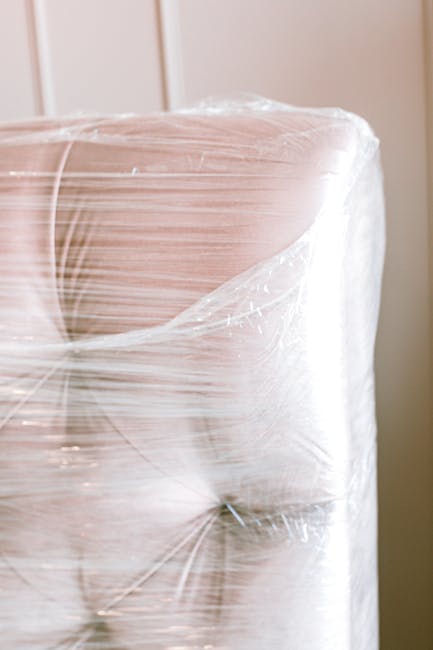
Protecting Large Mirrors and Glass During a House Move: A Practical Guide That Actually Saves You Stress
Large mirrors and glass items look elegant in a home, but they can be a proper headache on moving day. One awkward lift, one poor wrap, one doorframe that's just a bit too narrow, and suddenly you're dealing with chips, cracks, or a full breakage. If you're protecting large mirrors and glass during a house move, the goal is simple: keep fragile items stable, cushioned, and easy to handle from the moment they're packed to the moment they're placed safely in the new property.
This guide walks you through the most reliable methods, the mistakes people make far too often, and the small practical details that make a big difference. It also covers when it makes sense to book professional support through a house removals service or a flexible man and van option, especially if your move involves oversized pieces, stairs, or a tight London property. Truth be told, mirrors are rarely the item people worry about first - until they're carrying one down a hallway and thinking, a bit late, this was maybe not a great idea.
Table of Contents
- Why Protecting Large Mirrors and Glass During a House Move Matters
- How Protecting Large Mirrors and Glass During a House Move Works
- Key Benefits and Practical Advantages
- Who This Is For and When It Makes Sense
- Step-by-Step Guidance
- Expert Tips for Better Results
- Common Mistakes to Avoid
- Tools, Resources and Recommendations
- Law, Compliance, Standards, or Best Practice
- Options, Methods, or Comparison Table
- Case Study or Real-World Example
- Practical Checklist
- Conclusion
- Frequently Asked Questions
Why Protecting Large Mirrors and Glass During a House Move Matters
There are two reasons this deserves a proper plan: safety and cost. Glass breaks in a sharp, unpredictable way, and large mirrors can be deceptively heavy. A frame may feel manageable until it catches a corner or flexes under its own weight. Then you're not just risking damage to the item itself; you're risking injury, scratched floors, broken banisters, and delays to the whole move.
Large mirrors also tend to be awkwardly shaped. They don't nest neatly into boxes like books or kitchenware. A dining room mirror, wardrobe mirror, shower screen, glass coffee table top, or framed wall mirror all need different handling. The bigger and thinner the glass, the more vulnerable it usually is to vibration, pressure points, and twisting during transit.
For families moving house, it can be especially stressful because these pieces are often the sort you don't replace quickly. In a rented property, there can also be deposit concerns if a mirror or glass panel breaks during removal. If you're moving in or around the capital, traffic, stairwells, parking pressure, and short loading windows can add to the risk. That's one reason many people choose a professional removal company instead of trying to improvise on the day.
Key point: glass doesn't usually fail because it's "badly made"; it fails because the packing, handling, or loading creates stress at the wrong point. That's the bit you can control.
How Protecting Large Mirrors and Glass During a House Move Works
The process is really about managing three risks: impact, flex, and friction. Impact happens when an item knocks into a wall, another box, or a vehicle surface. Flex happens when a large pane is carried vertically without enough support. Friction happens when wrapping rubs against the glass, frame edges, or the item next to it in the van.
The safest approach is usually:
- Clean and inspect the item before packing so you know whether there are existing chips or hairline cracks.
- Protect the surface with a soft, non-scratch layer.
- Add a stronger outer layer to absorb knocks and stop movement.
- Carry the item in a controlled upright position unless the manufacturer or a professional advises otherwise.
- Load it so it cannot slide, topple, or be pinned under heavy furniture.
That sounds simple, and in a sense it is. But the devil is in the wrapping. A towel is soft, sure, but it's not a complete packing solution on its own. Bubble wrap helps, but if it's applied badly, it can still leave edges exposed. Cardboard corner protectors, tape, furniture blankets, and a clear label system all work together. Think of it like layers of insurance. Not glamorous, but effective.
When a move is being managed by trained movers, the item is usually assessed first, then wrapped to match its size and shape. That's especially useful for antique mirrors, oversized wall pieces, or glass with a metal or timber frame that could warp if squeezed too hard.
Key Benefits and Practical Advantages
Proper protection does more than stop breakages. It improves the whole moving day. Less damage means less re-packing, less stress, fewer frantic checks in the back of the van, and less chance of having to find a replacement at the last minute.
- Lower breakage risk: Multiple layers reduce the chance of impact damage.
- Safer handling: Proper wrapping gives staff and helpers better grip and confidence.
- Reduced delay: No need to stop and reorganise after a crack or collapse.
- Better use of space: Stable items load more cleanly into a van or truck.
- Fewer hidden costs: Replacing glass, mirror backs, or specialist frames can become expensive fast.
There's also a surprisingly important emotional benefit. It sounds a bit dramatic, maybe, but a large mirror often has a place in a home's character. It might be from a previous flat, an inherited piece, or something bought carefully after a long search. Keeping it intact means one less thing to grieve on moving day. And honestly, you've enough on your plate already.
If you're arranging a bigger relocation, services like home moves and packing and unpacking services can reduce the chance that fragile items are handled in a rushed, piecemeal way.
Who This Is For and When It Makes Sense
This matters for almost anyone moving household items, but especially if you have:
- large wall mirrors
- full-length mirrors
- glass table tops
- glass shelving
- shower screens
- display cabinet glass
- wardrobe doors with mirrored panels
- framed artwork behind glass
It also makes extra sense if your route includes stairs, lifts, tight halls, split-level flats, or long carries from the front door to the van. In London, a lot of properties are simply not friendly to big fragile items. Narrow staircases in older terraces, basement flats, awkward communal entrances - you know the sort. A bit of planning goes a long way.
For smaller local jobs, a flexible man with van or man with a van service can be practical, provided the item still gets proper packing. For larger homes or mixed loads, a full removals service may be the better fit because there's more room for blankets, straps, and careful stacking.
If you're moving from a busy area or a high-traffic neighbourhood, local knowledge can matter too. A move from London, for example, often needs a little more precision with parking, timing, and loading access than people expect.
Step-by-Step Guidance
Here's the practical process we'd use for most large mirrors and glass items.
1. Measure first
Before you lift anything, measure the item and the route out of the room. Check door widths, stair turns, lift sizes, and any tight points. A mirror that is technically "light enough" can still be impossible to turn safely if the angle is wrong.
2. Inspect the glass
Look for chips, loose frames, damaged backing, or weak joints. If a frame is already loose, don't trust it to hold under pressure. Reinforce or repair before moving if needed.
3. Clean the surface gently
Dust and grit can scratch glass during wrapping. A soft cloth is enough. No need for anything fancy. Just avoid oversaturating the surface.
4. Tape the glass correctly
Use low-tack tape in an "X" pattern only if appropriate for the item and finish. This is one of those areas where people overdo it. Tape is not a magic shield. It can help limit scatter if glass breaks, but it should never be relied on as the main protection. On some mirrored finishes, even tape can leave residue, so test carefully.
5. Wrap the item in layers
Start with a soft layer such as packing paper or a thin blanket. Add bubble wrap for cushioning. Then add cardboard or a mirror carton if the item is especially large. Protect the corners thoroughly because corners usually take the first hit.
6. Secure the wrapping
Use tape around the outer wrap, not directly on glass. Make sure nothing shifts when the item is gently nudged. If it rattles, it needs more support.
7. Mark it clearly
Label the piece as fragile, this side up, and do not lay flat if that instruction applies. Clear labels are not decoration; they help everyone handle the item consistently.
8. Carry it with two people if it's large
Big mirrors are much easier to control with a second person. One person leads, the other steadies. Keep movements slow and speak out loud. A quick "step", "pause", "turn" can prevent a lot of clumsy little mistakes.
9. Load upright and restrained
In the vehicle, the item should usually travel upright and be secured so it can't slide. Use blankets, straps, and stable placement against a padded wall or between soft, non-shifting items. Never let it float loose in a half-empty van. That way lies trouble.
10. Unpack before heavy furniture
At the other end, bring glass items in early, before the hallway fills with boxes and furniture. The fewer obstacles around you, the better.
Expert Tips for Better Results
There are a few small things that make a surprisingly big difference, and they're easy to miss when you're in a rush.
- Use corner protection on everything large: Even if the item looks robust, the corners are still the weak spots.
- Keep glass vertical where possible: Flat glass is more likely to flex under its own weight if it's large.
- Pad the route, not just the item: Doorframes, bannisters, and wall edges matter just as much as the mirror itself.
- Don't over-tighten straps: Compression damage is real. You want secure, not crushed.
- Separate mirrors from heavy items: A chest of drawers should not be sharing space with a framed mirror if you can avoid it.
A small human thing that helps: assign one person to be the "glass person" for the day. It sounds slightly silly, but having one clear point of responsibility stops everyone assuming someone else checked the wrapping. And yes, that assumption gets expensive quickly.
If you're unsure about packing standards, asking a provider about their health and safety approach and insurance and safety cover is sensible. It's the sort of question that separates a tidy move from a stressful one.
Common Mistakes to Avoid
Most damage happens because of a few repeated errors. The good news? They're all avoidable.
- Wrapping only the face: The edges and corners are usually where damage starts.
- Using too little padding: One thin layer of bubble wrap is rarely enough for a large mirror.
- Laying oversized glass flat in transit: That can increase flex and pressure points.
- Letting the item rub against other surfaces: Friction can wear through wrap and damage finishes.
- Carrying it alone: Even if you can lift it, that doesn't mean you can safely manoeuvre it.
- Using old cardboard that's soft or crushed: Weak materials collapse when you need them most.
- Ignoring weather: A wet route from the house to the van can make grip and handling much worse.
Another common issue is overconfidence. People handle a mirror once or twice and decide they've got it sorted. Then there's a small turn at the top of the stairs, someone shifts their hand, and that's enough. Glass has a habit of teaching lessons very fast.
Tools, Resources and Recommendations
The right equipment doesn't have to be expensive, but it should be suitable for fragile items of this size.
- Mirror cartons or picture boxes: Good for flat, oversized pieces.
- Bubble wrap: Useful as a cushioning layer, especially around corners.
- Packing paper: A soft first layer that helps prevent scratches.
- Furniture blankets: Helpful for larger items and transport protection.
- Corner protectors: Particularly useful for framed mirrors and glass tops.
- Strong packing tape: For securing wrap, not for sticking directly to glass unless appropriate.
- Moving straps and gloves: Improve grip and control.
- Marker pens and labels: Clear labelling really does help on the day.
If you don't want to buy everything yourself, ask about removal services that include packing support, or whether a removals van can be booked with protective blankets and loading assistance. For people moving from flats, local services such as man and van removals can be a decent middle ground.
It's also worth checking practical details like pricing and quotes before the day. That way you know whether fragile-item handling is included or if it's an add-on.
Law, Compliance, Standards, or Best Practice
There isn't one single UK rule that says how every mirror must be packed for a home move, but there are clear best-practice expectations around safe handling, clear communication, and minimising avoidable risk. If a removal firm is involved, you should expect sensible manual handling, secure loading, and appropriate insurance arrangements. That's just standard professionalism, really.
For customers, the practical side is straightforward: choose a provider that explains how fragile items are handled, what their liability terms are, and what happens if something goes wrong. Reading the terms and conditions is not the exciting part of moving, admittedly, but it matters. So does checking the payment and security page if you're booking online.
If you're comparing companies, you may also want to review the business's about us page and the complaints procedure. That gives a better sense of how they work if a problem arises. And if you're using the website heavily while planning, the privacy policy and accessibility statement may be useful too, especially for transparency and ease of use.
For larger moves or business relocations where glass partitions, display panels, or meeting-room mirrors are involved, commercial planning becomes even more important. In those cases, commercial moves or office relocation services are usually better aligned with the scale of the job.
Options, Methods, or Comparison Table
Different moving situations call for different levels of protection. Here's a simple comparison.
| Method | Best for | Pros | Limitations |
|---|---|---|---|
| Basic blanket wrap | Smaller framed mirrors | Quick, low-cost, easy to use | Not ideal for large glass or long transport |
| Bubble wrap plus cardboard | Most household mirrors and glass tops | Good cushioning, better edge protection | Needs careful taping and handling |
| Mirror carton / picture box | Large flat pieces | Strong outer shell, good surface protection | May need custom sizing for very large items |
| Professional packing | High-value, awkward, or oversized items | Most secure, saves time, lowers handling risk | Costs more, though often worth it |
In practice, a lot of moves use a combination of methods. A small mirror may only need a blanket and cardboard corners. A huge hallway mirror might need a full carton, a second pair of hands, and careful vehicle placement. There isn't one universal answer, and that's fine.
If you're still unsure which approach fits your move, a quick conversation with a removal companies page or a local removal van provider can help you match the method to the item.
Case Study or Real-World Example
Here's a simple real-world style example. A couple moving from a first-floor flat in west London had one large gold-framed mirror above a fireplace and a glass coffee table top in the living room. The hallway was tight, the stairwell turned sharply at the landing, and the loading bay was only available for a short window. Not ideal.
They measured both items the day before, cleared a path to the front door, and wrapped the mirror in a soft blanket layer followed by bubble wrap and cardboard corners. The glass top was packed separately in a picture box with padding on both sides. On moving day, two people carried the mirror, one calling out each turn. It sounds almost too simple, but that's the point. The job went smoothly because the plan came first.
The one hiccup? They nearly left the glass top until the end because it seemed "small enough". Luckily it was brought out early, before the moving stack got chaotic. That tiny decision probably saved them a lot of stress. Maybe that's the real lesson here - not fancy techniques, just doing the sensible things in the right order.
Practical Checklist
Use this quick checklist before moving large mirrors or glass items:
- Measure the item and the route out of the room
- Check for chips, cracks, and loose frames
- Clean the surface gently
- Use a soft first layer
- Add cushioning and corner protection
- Secure the wrap without damaging the glass
- Label the item as fragile and upright
- Use two people for large or awkward pieces
- Keep the route clear of clutter and pets
- Load the item upright and restrain it properly
- Unpack the glass early at the destination
- Confirm insurance and handling arrangements if using professionals
Expert summary: The safest way to protect large mirrors and glass is to combine the right packing materials, careful lifting, upright transport, and clear communication. If one part is missing, the risk goes up quickly. Keep it simple, keep it stable, and don't rush the corners.
Conclusion
Protecting large mirrors and glass during a house move is less about clever tricks and more about disciplined basics: measure properly, wrap carefully, carry slowly, and load securely. Those steps might not feel dramatic, but they're exactly what keeps fragile pieces intact when the day gets busy and everyone's hurrying for the van.
If you remember nothing else, remember this: treat large glass like something that hates sudden movement, pressure, and guesswork - because it does. With the right packing and handling, even awkward mirrors and glass tops can arrive in one piece, without the last-minute panic that makes moving day feel twice as long.
If you want extra peace of mind, it's worth speaking with a trusted removals provider about your specific items, access issues, and timing before moving day arrives.
Get a free quote today and see how much you can save.
Frequently Asked Questions
How do you protect a large mirror when moving house?
Use a soft first layer, then bubble wrap or blankets, then corner protection and a strong outer wrap. Carry it upright with two people if it's large, and secure it in the van so it cannot slide.
Should mirrors be moved flat or upright?
Upright is usually safer for large mirrors and flat glass because it reduces flex and makes handling more controlled. Flat can sometimes be fine for smaller items, but large pieces are generally better kept vertical.
Can I use tape directly on the glass?
Sometimes low-tack tape is used in an X pattern on glass, but it depends on the item and finish. It should not be relied on as the main protection, and it may leave residue on some surfaces.
What is the best packing material for glass items?
A combination works best: soft packing paper or blankets first, bubble wrap for cushioning, and cardboard or a mirror carton on the outside. Corners need extra protection because they're the most vulnerable.
How do I move a glass table top safely?
Remove it from the base, pack it separately, and keep it upright if it's large. Use cardboard corner protectors and a padded outer layer, and make sure it cannot shift in transit.
Do I need professional movers for large mirrors?
Not always, but professional help makes sense if the mirror is oversized, expensive, awkward to access, or going through stairs or narrow hallways. A good removal team should have the right handling gear and loading experience.
How much padding is enough for a mirror?
There's no single exact amount, but one thin layer is rarely enough for a large mirror. You want a cushioned wrap with enough thickness to absorb knocks without compressing the frame or glass.
What if the mirror already has a small crack?
Handle it even more carefully and avoid flexing it. If the crack is significant or the frame is unstable, professional packing or replacement before the move may be safer.
How do I stop glass from sliding in the van?
Load it upright, place it against a padded and stable surface, and use straps or surrounding soft items to hold it in place. Avoid leaving it loose in open space.
Is it worth paying for packing services just for glass items?
Often, yes. If you only have one or two fragile pieces, the cost can still be worthwhile because the packing quality and handling reduce the risk of damage and stress.
What should I do with mirrors on moving day first?
Move them early, before the hallway fills up. Large glass items are much easier to carry safely when the route is clear and the team is still fresh.
Where can I check if a removals company is trustworthy?
Look at their service pages, safety information, terms, and contact details. Pages such as insurance and safety, health and safety, and contact us can help you judge whether they're clear and professional.