DIY vs professional removals: costs, risks and when to hire
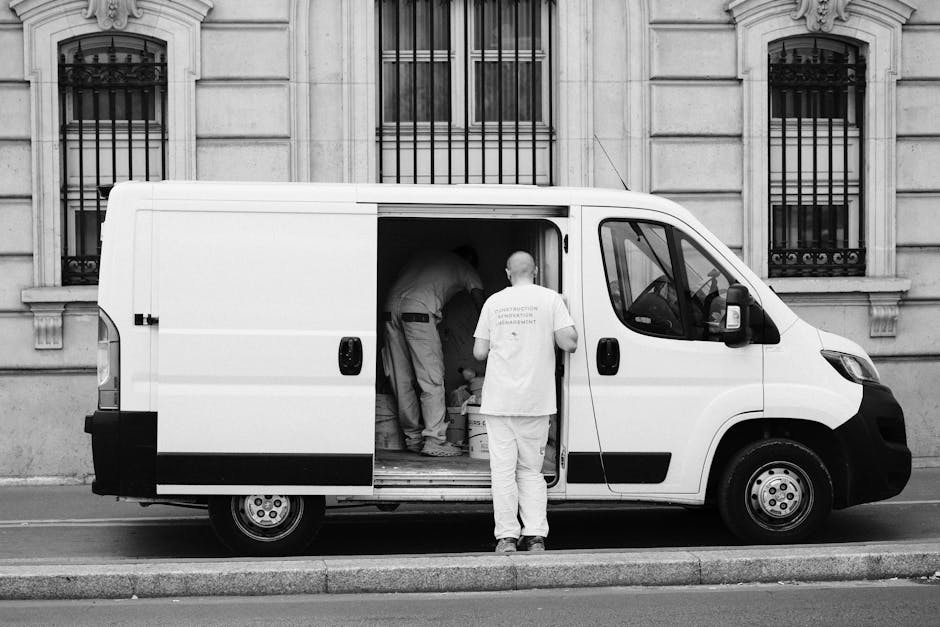
Planning a move sounds simple until you start stacking boxes, checking van sizes, and wondering whether your sofa will actually fit through the stairwell. That's where the real decision kicks in: DIY vs professional removals: costs, risks and when to hire. Do you save money by doing it yourself, or pay for a removals team and get the day back under control?
The honest answer is that both can be the right choice, depending on what you're moving, how far, and how much time and energy you have. In our experience, the cheapest option on paper is not always the cheapest by the end of the day. A cracked table, a parking fine, or one badly timed injury can change the maths very quickly. This guide breaks down the cost differences, the hidden risks, and the moments when hiring a professional is the calmer, smarter move.
If you're comparing moving options across London or beyond, you may also find our pages on home moves and man and van useful as you narrow things down.
Why DIY vs professional removals: costs, risks and when to hire Matters
Moving home is one of those tasks that looks manageable right up until the moment you're carrying a washing machine down a narrow hallway. The choice between doing it yourself and hiring professionals affects far more than the moving fee. It shapes the amount of time you need, the risk of damage, how much stress you carry, and whether the day ends with a cuppa or a headache.
For many people, the biggest factor is money. Fair enough. But moving is not just a transport job. It involves planning, lifting, loading, parking, protecting items, and often working around building access, neighbours, lift bookings, and time windows. In places like London, a simple move can become complicated fast because of traffic, restricted parking, stairs, or tight residential streets. One small mistake can ripple through the whole day.
There is also the emotional side. A move can already feel disruptive. The smell of cardboard, the sound of tape ripping, the last-minute hunt for kettle leads-it all adds up. A professional service can take some of that pressure off. DIY, on the other hand, gives you more control and can be cheaper if everything goes smoothly. The point is to choose with eyes open, not just by comparing the headline price.
Key takeaway: DIY is usually about saving money and staying in control. Professional removals are usually about reducing risk, saving time, and protecting your energy. The right choice depends on the size, complexity, and timing of your move.
How DIY vs professional removals: costs, risks and when to hire Works
DIY removals are exactly what they sound like: you organise the packing, lifting, transport, and unloading yourself. That might mean borrowing a friend's van, hiring a vehicle for the day, or making several car journeys. It works best for smaller moves, short distances, and people who have help at both ends.
Professional removals follow a more managed process. A removals company typically helps with planning, loading, transport, and unloading, and some offer packing services too. You can also choose between a full removals team, a smaller man-and-van setup, or a more tailored service depending on how much you need moved. If you are unsure what level of help you need, our pages on removal services and house removals are a useful place to start.
On the cost side, DIY often looks cheaper because you are paying only for van hire, fuel, packing materials, and perhaps a few favours from friends. But that is not the full picture. You should also consider your time, any deposits lost because you couldn't finish on schedule, and the possibility of breakage or injury. Professional removals cost more upfront, but they often reduce the unknowns. Truth be told, unknowns are what make moving expensive.
Here's the simple logic:
- DIY removals suit smaller loads, short journeys, flexible timing, and people with strong help.
- Professional removals suit larger homes, awkward access, fragile items, tight deadlines, and longer distances.
- Hybrid options sit in the middle: you pack yourself, then hire help for loading and transport.
The most practical approach is to think in terms of risk, not just price. If you're moving a few boxes and a bed, DIY may be fine. If you're moving a family home, a piano, or a second-floor flat with no lift, the balance starts to shift pretty quickly.
Key Benefits and Practical Advantages
There are good reasons people choose either route. The best choice is rarely ideological. It's usually about what makes the move possible without chaos.
Benefits of DIY removals
- Lower upfront spend: You can often keep the immediate outlay down, especially for local moves.
- More control: You decide how things are packed, loaded, and arranged.
- Flexible timing: You can move in stages if needed.
- Useful for small loads: A studio flat, student move, or light declutter can be manageable.
Benefits of professional removals
- Less physical strain: Big items are heavy. Some of them are awkward. Some are both.
- Faster on the day: A trained team tends to work more efficiently than a tired group of friends.
- Better handling of fragile items: Professional movers know how to protect furniture, mirrors, and boxed valuables.
- Reduced stress: When the weather turns wet at 7:30 in the morning, having help matters.
There's another subtle benefit people overlook: decision fatigue. Moving day involves dozens of tiny choices. Which box goes first? Does the wardrobe need dismantling? Where are the keys? A professional team removes a lot of that noise. That can make the whole day feel less frantic, especially if children, pets, or work calls are involved. And yes, somebody always seems to ask where the kettle is just when the kettle is the only thing you need.
Who This Is For and When It Makes Sense
If you are weighing up DIY versus professional removals, the best place to start is with your actual situation, not an ideal one. A move that looks simple in your head can become a long day in real life. A few common scenarios can help.
DIY often makes sense if:
- You are moving a small flat or a few rooms' worth of belongings.
- You have strong, reliable help.
- The property is easy to access with minimal stairs or restrictions.
- You can move on a flexible timeline rather than under pressure.
- Your furniture is basic and not especially fragile or bulky.
Professional removals often make sense if:
- You have a larger household move with lots of furniture.
- You need to move on a fixed date with little room for delay.
- There are tricky access issues such as narrow staircases, no parking, or long carries.
- You own fragile, valuable, or awkward items.
- You simply don't want the physical and mental strain of doing it all yourself.
Commercial moves deserve a separate mention. Offices, studios, and small business premises often benefit from professional support because downtime costs more than labour. If that sounds familiar, our commercial moves and office relocation services pages may help you think through the logistics.
One real-world observation: people often underestimate how tired they'll be by early afternoon. Lifting boxes is one thing. Carrying them after a poor night's sleep, a rushed breakfast, and a stressful handover? Very different story.
Step-by-Step Guidance
If you want a fair comparison, don't start with "How much is the van?" Start with the whole move. That gives you a more honest answer.
- List everything you need to move. Count furniture, appliances, boxes, and awkward items like mirrors or bikes.
- Check access at both properties. Stairs, parking, lifts, and distance from the van all matter.
- Estimate your own help. Be realistic. Two tired friends are not the same as a professional crew.
- Compare total DIY costs. Include van hire, fuel, packing materials, equipment, and possible insurance extras.
- Compare professional quotes. Ask what is included: loading, dismantling, wrapping, waiting time, and VAT if applicable.
- Decide what you are comfortable handling. If the sofa sounds like a back injury waiting to happen, that's useful information.
- Book early if hiring. Good removal dates can get busy, especially around month-end and weekends.
A quick example helps. If you are moving from a one-bedroom flat with good lift access and only a handful of items, DIY might be manageable if you have a van and a couple of helpers. But if that same flat is on the third floor of a Victorian terrace in the rain, the numbers change. Suddenly, a professional team starts looking less like a luxury and more like sensible insurance against a miserable day.
One more thing. If you're considering a hybrid setup, you can sometimes split the difference by using a man and van removals service for transport while doing your own packing. That can be a neat middle ground.
Expert Tips for Better Results
There are a few habits that make either option work better. Small things, really, but they save time and reduce stress.
For DIY moves
- Use sturdy boxes and avoid overpacking them. A box full of books gets heavy fast.
- Disassemble beds and large furniture the night before if possible.
- Protect corners and surfaces with blankets, bubble wrap, or recycled packaging.
- Keep screws, cables, and fittings in labelled bags.
- Load the van with heavier items first, then fill gaps with lighter boxes.
For professional moves
- Tell the company about stairs, parking restrictions, and awkward access in advance.
- Point out fragile items and anything that cannot be stacked.
- Prepare a "first night" box with essentials like chargers, toiletries, tea bags, and toilet paper.
- Ask about insurance cover and what it includes before moving day.
- Confirm arrival time, contact details, and any building rules early on.
Here's a small but important tip: keep one room or corner clear for the items you absolutely do not want mixed up. Passports, keys, medication, contracts, and chargers should never disappear into a random box labelled "misc". That label is nearly always a trap. The box may as well say "good luck".
If you need help with packing, it can be worth exploring packing and unpacking services. For bulky items that need careful handling, even a service like furniture pick-up can be useful in certain situations.
Common Mistakes to Avoid
The most expensive mistakes in removals are often the ones people assume won't happen. Moving looks straightforward until the van is half-full and the wardrobe won't fit through the front door.
- Underestimating time: DIY moves nearly always take longer than expected.
- Choosing the wrong van size: Too small means multiple trips; too big can be harder to park and drive.
- Ignoring access issues: A short walk from the van to the door can make a huge difference.
- Not protecting items properly: Scratches, chips, and dents are avoidable with a bit of care.
- Forgetting lifting limits: Heavy lifting is not worth a strained back or damaged floor.
- Leaving booking too late: The best companies and vehicle hire slots go early.
- Assuming friends will handle everything: People are kind, but they are not always available when you need them. Life, eh.
Another common error is focusing only on the moving day and forgetting the days around it. Packing, dismantling, cleaning, handover, and key collection all take time. If you're working to a deadline, the hidden workload can be bigger than the actual transport job.
Tools, Resources and Recommendations
Whether you go DIY or hire help, the right tools make a move calmer and less messy. You don't need everything. You just need the right basics.
Useful DIY moving tools
- Strong boxes in mixed sizes
- Packing tape and tape dispenser
- Blankets, furniture covers, and bubble wrap
- Marker pens and labels
- Dolly or hand truck for heavier items
- Gloves with a decent grip
- Ratchet straps or tie-downs for van loads
Useful services to consider
- Removal truck hire if you want the vehicle without a full crew
- Removals van options for smaller, lighter moves
- Moving truck support for larger loads
- House movers when you want more hands on the job
It also helps to compare local availability. If you're moving within the capital, checking a local removal company can save time, especially if they already know the streets, parking pressures, and building access issues in your area. That local know-how counts for more than people think.
Law, Compliance, Standards, or Best Practice
Removals are practical work, but they still sit within a framework of safety and responsibility. You don't need to become a legal expert to move home, but you should know the basics.
For DIY moves, the main concerns are vehicle roadworthiness, loading safety, and personal lifting safety. You are responsible for making sure items are secured properly and that you do not create danger for yourself or other road users. An overloaded or badly loaded van is not just inconvenient; it can also be unsafe. Common sense goes a long way here, and so does restraint. If the stack wobbles, it's not "fine for now". It's a problem.
For professional removals, a reputable company should have clear insurance arrangements, health and safety procedures, and transparent terms. It is wise to ask what happens if something is damaged, how claims are handled, and whether special items need notice in advance. If a company offers low prices but is vague on cover, that deserves attention.
In the UK, people also expect removal teams to work carefully around access restrictions, permits, and property rules. In some parts of London, parking and loading can be the biggest issue of all. If a mover knows the local area, that often reduces avoidable delays. You can also review a firm's policy pages, such as health and safety policy and insurance and safety, to better understand how they operate.
Best practice is simple: ask questions early, get clarity in writing where possible, and avoid leaving safety to chance.
Options, Methods, or Comparison Table
To make the choice a bit clearer, here's a straightforward comparison of the main options. No fluff, just the trade-offs that matter.
| Option | Typical cost profile | Main risks | Best suited to |
|---|---|---|---|
| Full DIY | Lowest upfront spend, but more hidden effort | Damage, injury, delays, parking problems | Small moves, flexible schedules, strong help |
| DIY with hired van | Moderate spend, still hands-on | Loading mistakes, vehicle size issues, time pressure | Local moves with manageable access |
| Man and van | Middle ground, often good value | Less help than a full crew, so planning still matters | Smaller house moves and flat moves |
| Full professional removals | Highest upfront spend, broader service | Fewer physical risks, but still needs good communication | Large, complex, urgent, or fragile moves |
If you're weighing up a smaller move, it may be worth comparing a man with van arrangement against a fuller service. Sometimes the middle option is exactly right. Not glamorous, but practical. And practical wins a lot of moving days.
Case Study or Real-World Example
Imagine a couple moving from a two-bedroom flat in south London to a house a few miles away. They first think about doing it themselves because they want to keep the spend down. So they price up van hire, fuel, boxes, tape, and some pizza for a few friends. On paper, it looks manageable.
Then they notice the details: a third-floor flat, a narrow staircase, limited parking outside, and a moving date that falls on a busy weekday. One of them also works late the night before. Suddenly, the easy plan doesn't feel so easy.
They switch to a professional removals team for the main furniture and heavy boxes, while packing smaller items themselves over the week before. That hybrid approach gives them the best of both worlds. Their stress drops, the heavy lifting is handled properly, and they still control some of the spend by doing the packing in advance.
That is often how good moving decisions are made in real life. Not by chasing the cheapest option, but by choosing the option that actually gets you from A to B without drama. A bit boring, yes. Also brilliant.
If you're moving in or around the capital and want local support, area pages such as London, North London, and West London may help you think about location-specific access and timing.
Practical Checklist
Use this checklist before you decide whether to do the move yourself or hire help.
- Have I listed every item that needs moving?
- Do I know the access conditions at both addresses?
- Do I have enough help for lifting and loading?
- Have I compared the full DIY cost, not just the van price?
- Am I carrying anything fragile, bulky, or valuable?
- Is there parking, loading, or timing pressure on the day?
- Could a professional team save me time or reduce risk?
- Have I checked insurance and safety details if I'm hiring?
- Do I need packing or dismantling support?
- Would a middle-ground service be enough instead of full DIY or full removals?
If you can answer "yes" to several of the risk questions, hiring help becomes more attractive. If the move is small, simple, and nearby, DIY can still be a perfectly sensible choice.
Conclusion
The real question is not whether DIY is cheaper or whether professionals are better. It's whether the saving is worth the strain, the time, and the risk. For some moves, DIY is genuinely the best fit. For others, professional removals are the difference between a controlled day and a complete scramble.
So weigh the full picture: volume, access, distance, help, deadlines, and how much physical work you're willing to take on. If the move is small and uncomplicated, go for the lighter option. If it's large, awkward, or time-sensitive, hiring professionals is often the calmer choice. And if you land somewhere in the middle, a hybrid approach can be surprisingly effective.
Get a free quote today and see how much you can save.
Whichever route you choose, plan early, keep the essentials close, and give yourself a little grace on the day. Moves are messy, but they do end. And once the last box is in, it always feels a bit better than you expected.
Frequently Asked Questions
Is DIY cheaper than hiring professional removals?
Usually, DIY has a lower upfront cost because you are only paying for van hire, fuel, and packing materials. But the full cost depends on your time, the risk of damage, and whether you need extra help. For smaller moves, DIY can save money. For larger or more complicated moves, the gap narrows quickly.
When should I hire professional movers instead of doing it myself?
Hire professionals if the move is large, time-sensitive, physically demanding, or involves difficult access. If you have bulky furniture, no lift, limited parking, or fragile items, a professional team often makes more sense. It is also a good idea if you simply do not want the stress of managing everything yourself.
What hidden costs should I expect with DIY removals?
Hidden costs can include fuel, insurance extras, packing supplies, equipment hire, parking charges, and the cost of replacing damaged items. There is also the cost of your own time, which people often forget to count. If you need several journeys, the total can climb faster than expected.
Are professional removals worth it for a small flat move?
They can be, especially if access is awkward or you have very little time. A small flat move is not automatically a DIY job. If you live up several flights of stairs or need to move on a tight schedule, the support of a removals team may be worth every penny.
What is the middle ground between DIY and full removals?
A common middle ground is using a man-and-van or removal van service while packing yourself. That gives you help with transport and lifting without paying for a full-service move. It is often a sensible option for medium-sized local moves.
How do I know what size van I need?
Start by listing furniture and box counts, then think about how much can realistically fit in one load. If you are unsure, err on the side of caution. A van that is too small means extra trips and more stress. A good provider can usually advise once they know what you are moving.
Can I save money by packing myself and hiring movers just for loading?
Yes, and many people do exactly that. Packing is time-consuming, but it can be done well at home if you start early and label everything clearly. Hiring help for loading and transport can be a smart compromise, especially when the heavy lifting is the main challenge.
What are the biggest risks of DIY removals?
The biggest risks are injury, damaged furniture, broken items, vehicle trouble, and delays caused by underestimating the workload. A difficult staircase, poor parking, or a wrong-sized van can turn a small problem into a long, tiring day. That is why planning matters so much.
Do removal companies provide insurance for my belongings?
Many professional companies offer some form of cover, but the level and terms can vary. Always ask what is included before you book. It is best to understand the process for reporting damage or making a claim, rather than assuming everything is covered automatically.
How far in advance should I book a professional removals company?
As early as you can, especially if you want a popular date such as a weekend or month-end slot. Early booking gives you more choice and less panic. It also leaves time to compare quotes and confirm what is included.
What should I ask a removals company before I hire them?
Ask about price, insurance, access requirements, waiting time, packing help, and whether dismantling or reassembly is included. It is also sensible to ask how they handle delays and what happens if your move date changes. Clear answers now save awkward surprises later.
Is a professional move less stressful than DIY?
Most people find it is. You still need to plan, but the physical workload and a lot of the day-of pressure are reduced. If you already have a lot on your plate, that reduction in stress can be just as valuable as the practical help.